
A family home, in which practically everything – from the lighting to the heat pump – is powered by electricity, must have a backup source. Especially in areas where, during bad weather, blackouts sometimes last for several hours, it is impossible to function without electricity. By the time the electricians fix the fault, the food from the freezer will be thrown out in the summer, not to mention the winter without heating.
So let's see what alternative source of electricity to choose for your house, what to focus on, and how to connect it in the end.
Backup power for the home - why is it important?
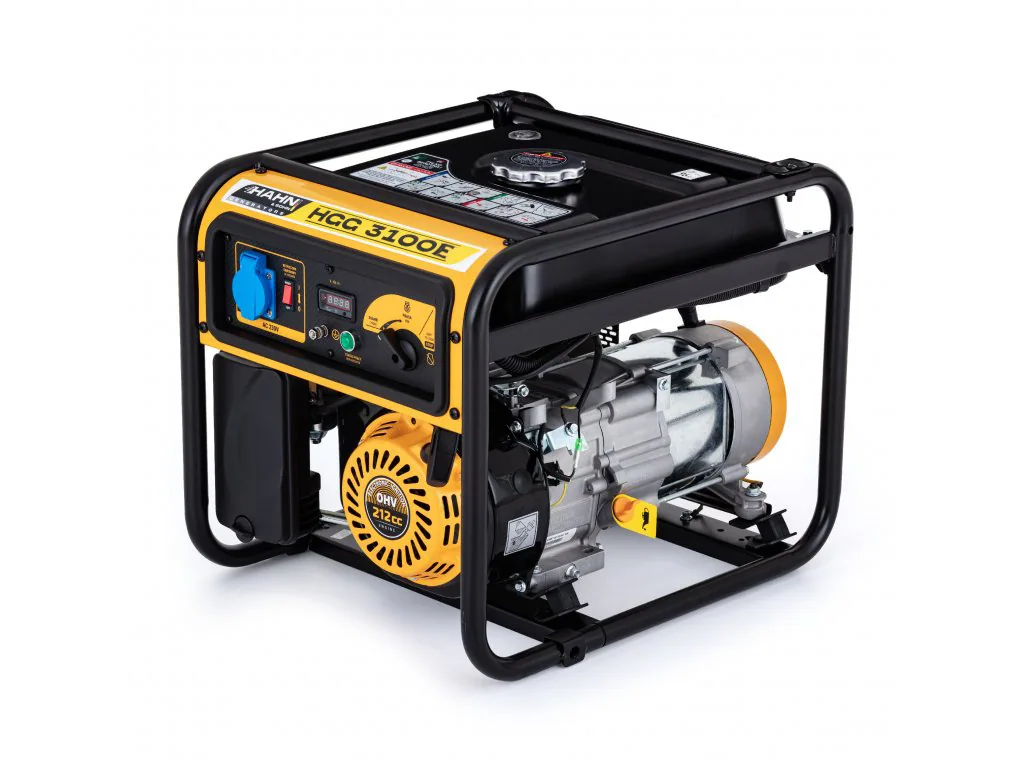
Any house that depends on electricity should not lack a backup source of electricity. If you have an electric stove at home, hot water is heated in the boiler using electricity and you heat the house in the same way, do not hesitate to purchase a backup generator.
However, it is worthwhile to have this device at home, even if you only have appliances connected to the network and you only use the electricity for lighting. During a longer outage in the summer months, all the food stored in the fridge and freezer will spoil, and if you work on a computer from home, you will have to catch up after the power is turned on. generators have also proven themselves in floods, when the power outages were really long.
So before you buy, you need to consider whether you will use the backup power source to charge your PC, keep the fridge running or for heating and water heating - each appliance or device may have different requirements for the power of the central unit.
How to choose an electricity generator?
Back-up motor type
We can choose between a gasoline, diesel or gas-powered engine. It is probably the most suitable for home use gasoline headquarters, or gas backup generators.
Gasoline generator has lower acquisition and operating costs. The single-phase central unit with a gasoline engine is suitable for all types of household appliances and is suitable for covering occasional outages. Gas generators are quieter and more environmentally friendly.
What will the replacement supply power?
As outlined above, the right generator depends on the equipment it will primarily power. This determines whether you need a single-phase or three-phase model and how many circuits are required.
A single-phase control panel is usually suitable for a family home, because the vast majority of classic home electronics work in this mode. It is also necessary to mention that when powering very sensitive electronics such as computers or mobile phones, we recommend the use of inverter generators.
Quiet backup power source for the home
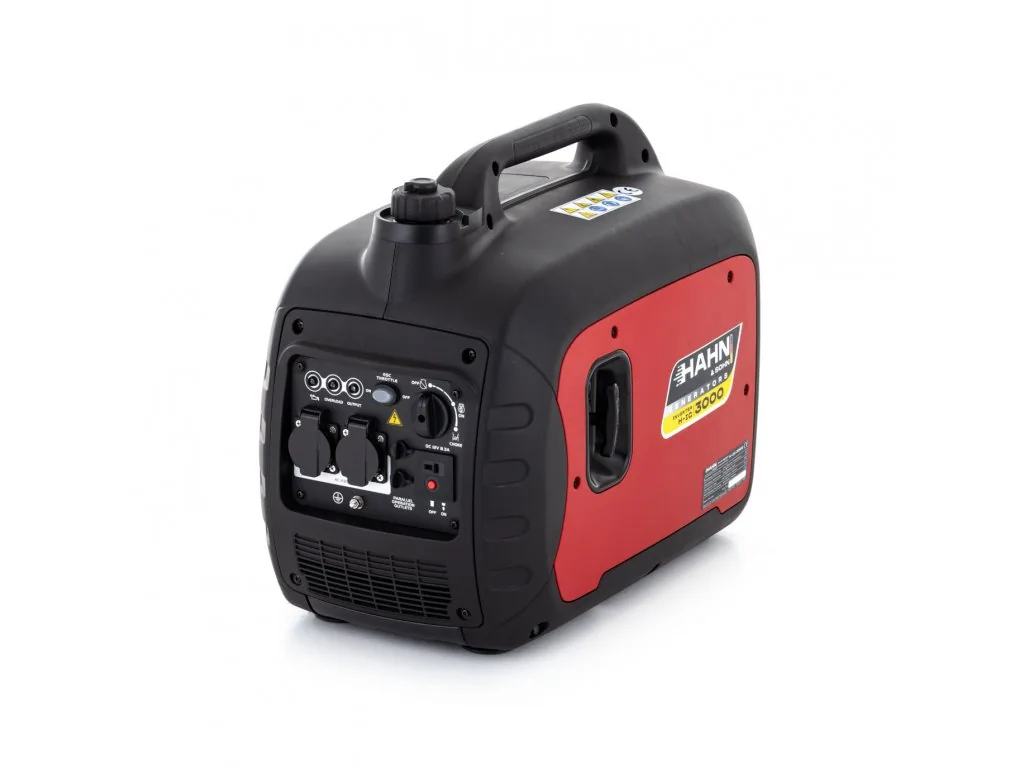
When a generator is used near a home, low noise is desirable. Typical noise figures quoted in the original article range from 66 to 110 dB, with some powerful construction models exceeding this. For residential use, consider models towards the lower end of the range. Portable combustion generators must always be operated outdoors in accordance with the manufacturer's instructions. These quieter models are usually headquarters with a gasoline engine, which are also well soundproofed. It is among the quietest inverter generators, which are slightly more expensive than, for example, frame central offices.
UPS device or power generator with automatic start?
Cheaper generators have to be simply "kicked in" manually after a blackout. However, a person is not always at home, so many property owners choose between a UPS system or an automatic start.
UPS (Uninterruptible Power Supply/Source) is a device that is placed between the outlet and the device. It is used as an add-on for central units without automatic start. The device detects an outage and ensures the immediate start of the backup source.
Automatic start - central units with this function actually have the previous device built inside. After a power failure, they start automatically and you don't have to worry about anything else.
Location and connection of the home generator
It is best to consider a spare source when building or renovating a house, in order to allocate enough space for it. The room must be well ventilated (ventilation and flue gas removal will be provided by a professional company) and should be at least 3x3 meters - the central office is of course not that big, so we can place it in the technical room. However, it is not necessary to have the device inside, it can easily stand outside the house, for example in a pergola, in which case it is advisable to protect it from the weather with at least a small shelter.
The connection is usually handled by a professional company without the presence of the energy supplier. However, there are situations when it is necessary to connect the automatic start device behind the main circuit breaker. It is of course sealed, so we have no choice but to contact the supplier and have a worker sent to help with unsealing and subsequent sealing (if you break the seal yourself, there is a relatively high fine!).